
Workplace safety, at its core, is what determines whether employees return home healthy and safe at the end of each shift. Many workplace injuries come from everyday tasks and can be prevented with proper planning and execution… and the cost of neglecting safety goes far beyond workers’ comp claims. It affects productivity, morale and reputation.
Today’s safety programs are comprehensive, taking into account physical, mental and environmental threats that directly affect employee health and productivity. In this article, we’ll cover some of the most important workplace safety topics that are addressed in programs today, as well as other topics that may be less common but equally as necessary to tackle.
Key Insights
- Workplace safety programs today have to handle a wide range of hazards, including physical risks like slips and falls, chemical exposures, electrical dangers and ergonomic issues, as well as mental health and environmental factors.
- A good safety management program will combine regulatory compliance with practical steps such as training, personal protection equipment, emergency readiness and developing a safety culture that fosters reporting and continual improvement.
- Organizations should consider their unique industry risks, injury history, and regulatory demands when choosing and ranking workplace safety themes to create the most influence and assure employee well-being and organizational resilience.
What Makes Safety Topics for Work Important?
Workers today face a broad spectrum of hazards and threats, from poor mental health and burnout in offices to electrical shocks and falls on construction sites. It’s essential for the ongoing success of any business that these are addressed as early as possible.
There are several factors that increase the priority of addressing workplace safety hazards and risks. These include:
- Injury frequency rates
- Severity of potential consequences
- Regulatory requirements under OSHA standards
- Adoption ease
- Cost-effectiveness
- Long-term impacts on safety culture
Some workplaces are riskier than others, and numerous hazards will need to be addressed at once with comprehensive safety plans.
Top 10 Most Critical Workplace Safety Topics
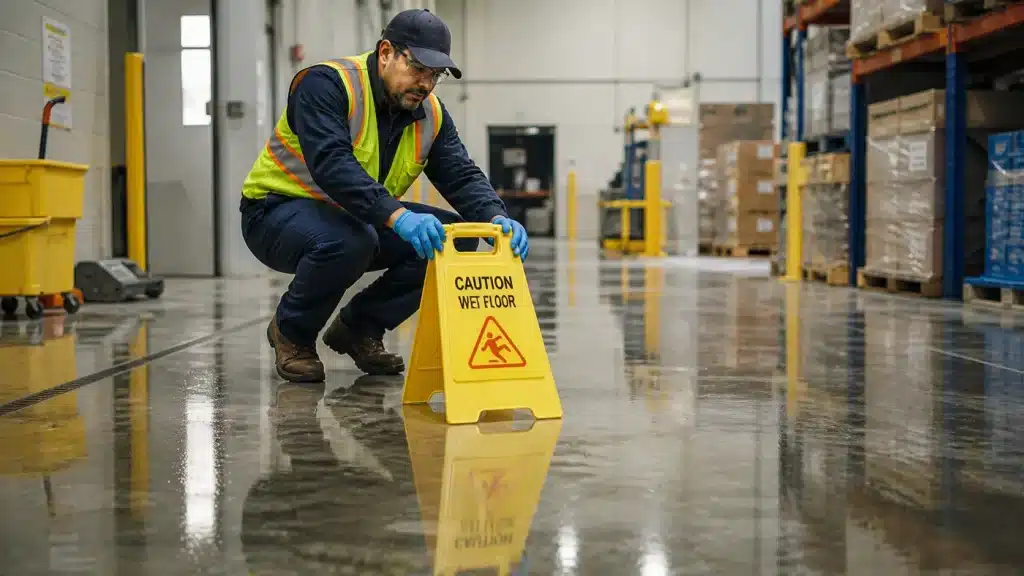
Some dangers have a big impact on one or two industries, while others have broad impacts on millions of businesses across the country. This list reflects some of the most common, most impactful and most high-priority workplace safety topics that organizations in various sectors need to address.
1. Preventing Slips, Trips and Same-Level Falls
Today, slips, trips and falls on the same level are among the top causes of workplace accidents. They make up roughly 25% of all injury claims. With around 479,000 nonfatal injuries annually and direct employer expenditures of more than $10.5-11 billion, this universal hazard demands top priority.
Why It Stands Out: Slips, trips and falls can happen in just about any industry. Poor lighting, disorganization and a lack of fall prevention methods can all increase risks.
Best For: All workplaces, especially offices, warehouses and retail environments where wet floors, loose cables and uneven surfaces are common.
Key Focus Areas:
- Following requirements and guidelines outlined in 29 CFR 1910.22
- Implementing housekeeping standards and waste reduction using 5S protocols (sort, set, shine, standardize, sustain)
- Using an appropriate slip-resistance standard or testing method for the flooring, footwear and contaminants
- Making sure there is good lighting
- Establishing spill response procedures and immediate cleanup protocols
Implementation Challenges: Many slips, trips and same-level falls are preventable. They can be avoided with some simple precautions, like cleaning up spills immediately or making sure walkways are clear of obstacles. But it can be difficult to sustain behavioral changes company-wide. And if overall working conditions stay poor, it can be tough to keep people motivated. A clean workplace requires continued commitment from everybody, not just initial training.
2. Personal Protective Equipment (PPE) Management
The use of personal protective equipment (PPE), such as gloves, masks, helmets and goggles, is an important safety practice in high-risk industries where risks cannot be fully avoided due to the nature of the work.
Why It Stands Out: PPE is intended to protect workers from chemical, biological and physical threats by limiting their exposure to them. Here’s why that’s important. It’s usually used when other workplace exposure control measures can’t completely get rid of the danger. In general, OSHA’s PPE standards require employers to supply their workers with the appropriate PPE and to ensure it’s used so that they’re protected from hazards. Despite this, respiratory, eye, and face PPE violations are some of the top 10 most cited violations.
Best For: Manufacturing, construction, healthcare, lab and other environments facing multiple exposure types.
Key Focus Areas:
- Correct selection based on hazard assessments under 29 CFR 1910.132
- Training on donning/doffing and equipment limitations
- Maintenance protocols, including inspection before use, depending on the equipment type and risk
- Compliance monitoring to prevent violations from improper use
Implementation Challenges: Quality equipment costs add up… disposable items can range in price, but can get into the millions annually for large firms. Discomfort can also reduce compliance when there isn’t accountability, so consistent employee usage requires enforcement.
3. Fire Safety and Emergency Preparedness
Fires are not as common a threat as some of the others on this list, but they still happen and can be very destructive when they do. The consequences of a single incident can be severe, taking lives, causing endless medical bills and leaving behind potentially irreparable property damage. Fire safety is important to cover in every industry, but especially in those where workers are directly exposed to flames and extreme heat.
Why It Stands Out: Uncontrolled fires take around 3,920 civilian lives yearly and cost billions of dollars in property damage per NFPA reports. Workplace incidents are a portion of those fires, largely in the industrial, manufacturing, utility, mining, agriculture and defense fields. Emergency preparedness and response plans are essential for ensuring employee safety during various emergencies, including natural disasters and workplace incidents.
Best For: Any workplace, particularly important for those with high occupancy, flammable materials storage, or open flames/heat elements.
Key Focus Areas:
- Installing prevention systems, including sprinklers
- Evacuation procedures following RACE protocol (rescue, alarm, contain, extinguish/evacuate)
- Equipment maintenance for fire extinguishers and detection systems
- Emergency response training with regular drills
OSHA outlines requirements for fire protection, including the maintenance and use of portable fire extinguishers. It’s important that employers and employees know how to prevent fires, practice fire safety and what to do if a fire occurs in the workplace. Fire prevention measures, the use and location of fire extinguishers and evacuation procedures should be reviewed during safety talks.
Organizations should outline procedures for emergencies, including evacuation routes, assembly points and communication plans to ensure a coordinated response. Holding regular training and drills for emergencies can help to reduce response times, damages and injuries and improve effectiveness during actual emergencies.
Implementation Challenges: Many system failures are a result of maintenance neglect, so a shift towards care is needed. Also, training fatigue can cause drills to lose their effectiveness over time.
4. Electrical Safety and Hazard Control
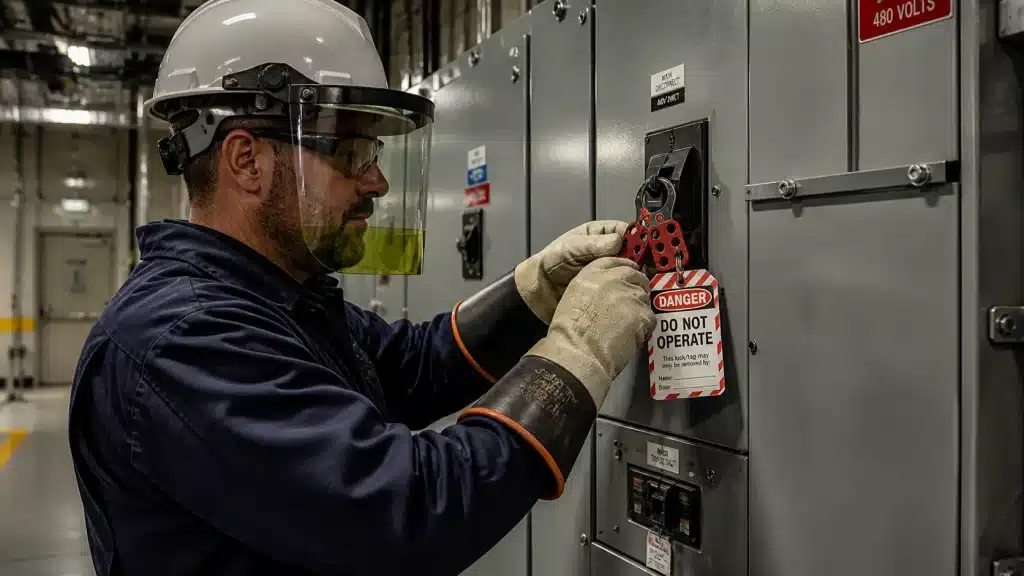
Electrical safety addresses hazards from more common electrical shocks to arc flashes reaching 35,000°F (which is 4 times the surface temperature of the sun). These injuries result in thousands of lost workdays and hundreds of fatalities each year.
Why It Stands Out: Electrical hazards have high fatality rates. They can also cause fires and equipment damage, making them one of the most physically dangerous hazards in any facility.
Best For: Construction, manufacturing, maintenance operations and facilities with complex electrical systems.
Key Focus Areas:
- Lockout/tagout (LOTO) procedures under 29 CFR 1910.147
- Electrical work permits and qualified person criteria
- Equipment inspection using infrared thermography
- Class A GFCIs that trip at low leakage-current thresholds
Implementation Challenges: Electrical safety requires specialized training and strict procedural compliance. LOTO violations ranked fourth in 2025 OSHA citations, so there would need to be a big culture shift towards zero-energy verification.
5. Ergonomics and Musculoskeletal Injury Prevention
Musculoskeletal disorders (MSDs) account for 30% of injury claims. They result in hundreds of thousands of cases each year and are becoming a leading cause of time away from work. Some estimates put the total cost of musculoskeletal injuries at work at $50 billion.
Why It Stands Out: MSDs are a widespread issue, impacting everyone from office employees to warehouse staff. Proper posture, equipment positioning and taking breaks are all key to reducing strain and preventing injuries.
Best For: Office environments, manufacturing, healthcare and jobs involving repetitive motions or manual lifting.
Key Focus Areas:
- Workstation design for a range of body sizes
- Manual handling techniques following NIOSH lifting equation guidelines
- Repetitive motion reduction through job rotation
- Adjustable equipment (i.e. monitors at eye level)
Repetitive tasks and poor workstation design can lead to long-term injury risks, making ergonomic assessments critical in workplace safety. Implementing ergonomic solutions can significantly reduce the risk of injuries related to manual lifting and repetitive motion, which are common in many workplaces.
Implementation Challenges: Customizing workspaces for individual optimization can cost $500-5,000 per station, which can turn managers off. Also, because problems are often gradual, there can be delays in implementing changes. Proactive risk assessments are a way to minimize this.
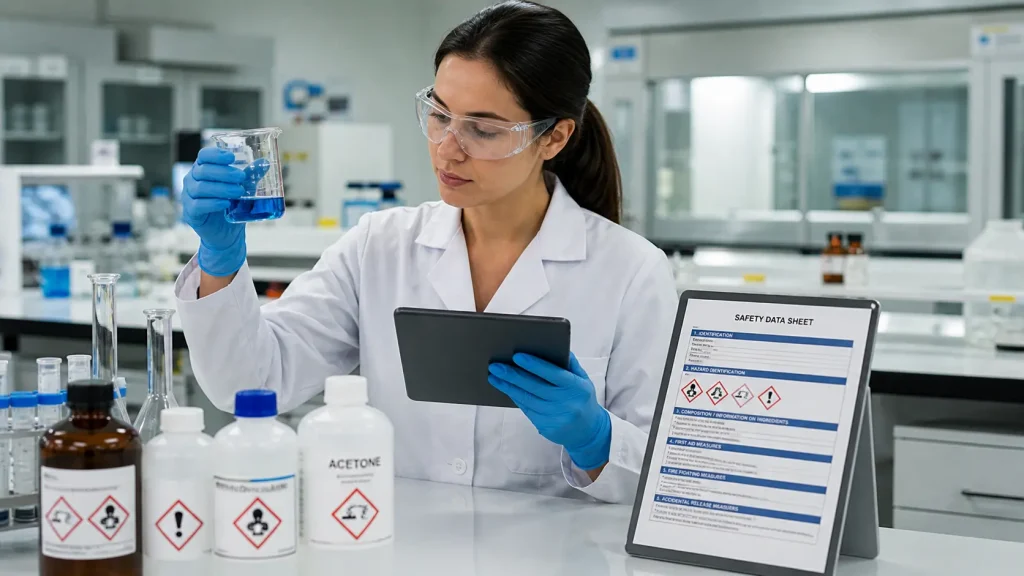
6. Chemical Hazard Communication and Safety
Chemicals are used in many jobs, from cleaning and hospitality to laboratories to manufacturing facilities. When not labeled, stored or handled properly, they can pose serious health risks to those who use and are around them. The impacts can go beyond immediate injuries and threaten health in the long-term.
Why It Stands Out: With nearly 6,130 violations yearly and strict regulations under GHS-aligned HazCom standards, chemical safety concerns affect many industries beyond obvious lab settings.
Best For: Manufacturing, laboratories, cleaning services and facilities using hazardous chemicals in any quantity.
Key Focus Areas:
- Safety data sheets with 16-section format requirements
- Proper labeling systems using GHS pictograms
- Exposure controls prioritizing ventilation
- Protocols for different types of spills (chemicals, liquids, pharmaceuticals, oils, etc.)
OSHA’s Hazard Communication Standard (29 CFR 1910.1200) requires employers to properly train their employees on chemical hazards and safety measures so that they can safely use the materials needed for their work. Safe handling procedures protect employees from both acute exposures and chronic health effects.
Implementation Challenges: There are over 100,000 chemicals, each with evolving safety data that requires ongoing inventory management. Digital Safety Data Sheet (SDS) apps can help to reduce mismanagement.
7. Machine Safety
Machine-related incidents cause around 800 fatalities and 18,000 injuries (crushing, amputation, abrasions, etc.) yearly, so equipment safety is an absolute must for reducing serious injuries in industrial settings.
Why It Stands Out: The high severity of injuries from equipment justifies the need for rigorous safety procedures and comprehensive guarding systems to protect workers during normal operations and maintenance.
Best For: Manufacturing, food processing and facilities with heavy machinery or automated systems.
Key Focus Areas:
- Machine guarding with barriers per 29 CFR 1910.212
- Energy control procedures with zero-energy verification
- Maintenance safety protocols for all servicing activities
- Using presence-sensing devices designed to stop machinery when hazards are detected
Implementation Challenges: Complex equipment requires specific procedures for each machine type. Extensive training investments and annual inspection of each energy control procedure are necessary to maintain compliance.
8. Elevated Fall Protection for Working at Height
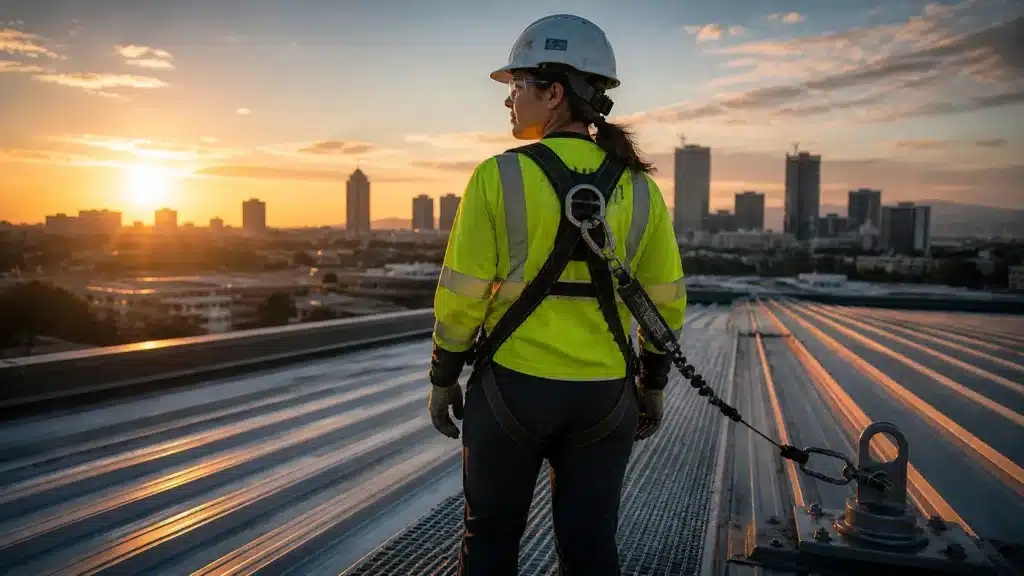
Falls are one of the leading causes of construction fatalities. 423 of the 1,056 deaths in the industry in 2022 were from falls. 17% of all workplace deaths across all industries in 2024 were from falls. Anyone working above 4-6 feet needs fall protection systems.
Why It Stands Out: A fall from a higher level can cause severe injuries and regulatory requirements under 29 CFR 1910.28 make fall protection essential for many other professions outside of construction.
Best For: Construction, maintenance, roofing and any work above 6 feet.
Key Focus Areas:
- Personal fall arrest systems rated for 5,000 lb strength
- Ladder safety (i.e., 3-point contact and 4:1 angle)
- Scaffold requirements, including guardrails at 10 feet
- Anchor point selection and inspection protocols
Implementation Challenges: Equipment costs and height specific training requirements are barriers for small businesses. Environmental conditions like wind increase fall risk, so additional safety controls are needed.
9. Workplace Violence Prevention
Workplace violence has become a leading cause of workplace fatalities, with 470 homicides in 2024, a majority of which were gun deaths. This is a growing concern that affects many industries, from healthcare to education to retail, and it often impacts everyone… not just the individual(s) involved.
Why It Stands Out: Every incident, no matter how big or small, can have severe psychological and physical impacts on workers. This can impact long-term organizational success and the overall work atmosphere.
Best For: Healthcare, retail, customer service and high-stress work environments with public interaction.
Key Focus Areas:
- Threat assessment using structured evaluation tools
- First aid and active shooter protocols
- De-escalation training employing LEAPS technique (listen, empathize, ask, paraphrase, summarize)
- Security measures like access controls and weapons detection systems
- Clear and anonymous communication channels for reporting concerns
Implementation Challenges: Balancing security with workplace accessibility and employee privacy is important. Achieving this requires thoughtful policy design that considers both factors. Zero-tolerance policies can potentially deter incidents if they’re implemented properly and enforced.
10. Mental Health and Stress Management
Mental health affects decision making, accident rates and overall safety culture. Stress can increase error rates, and according to APA studies, burnout and workplace stress impact 77% of workers.
Why It Stands Out: Addressing mental health in the workplace is key to employee well-being and productivity, as it can significantly impact overall safety and performance. Fatigue caused by mental or physical exhaustion reduces individuals’ ability to work safely and effectively, and it can lead to workplace incidents and injuries.
Best For: All workplaces, especially high-stress industries and remote work environments where isolation increases risks.
Key Focus Areas:
- Stress recognition and early intervention
- Employee assistance programs providing counseling resources
- Work-life balance initiatives
- Safe driving practices awareness, as driver fatigue is a major workplace safety risk, contributing to accidents and injuries in various industries
To create a supportive environment for mental health, employers should promote stress management techniques and offer other resources. This might help to limit absenteeism and improve employee engagement and satisfaction. Encouraging open communication about mental health can reduce stress and prevent injuries. Managing fatigue can be achieved through adequate rest, hydration and workload management, which are essential for maintaining workplace safety.
Implementation Challenges: Stigma reduction requires sustained leadership commitment. Providing appropriate support resources while respecting privacy boundaries demands careful program design.
Other Key Workplace Safety Topics
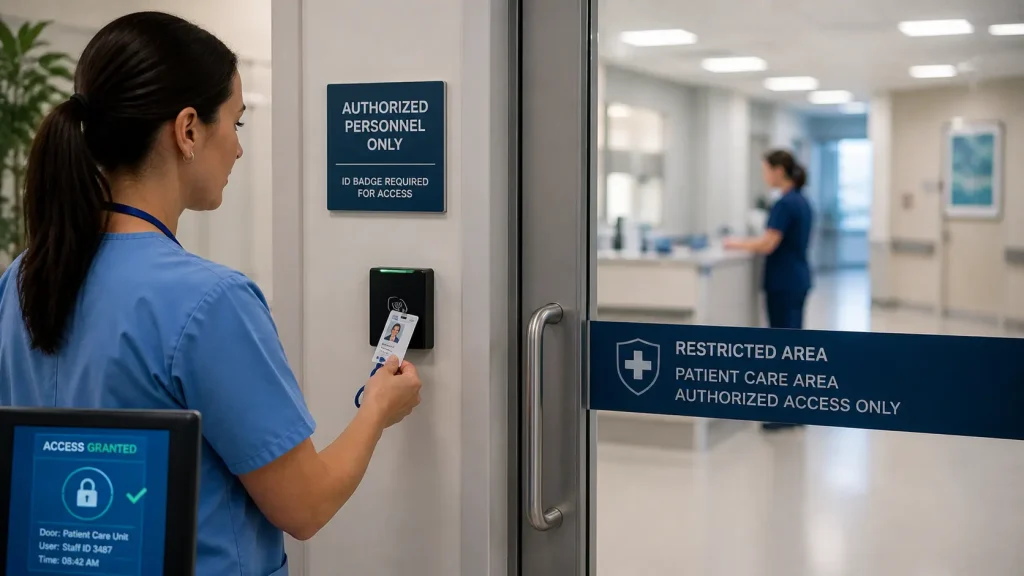
Beyond the top 10, there are several other topics to consider in a comprehensive workplace safety program. These include environmental safety, active shooter response, hygiene, machine safety and burn prevention, etc.
Environmental Safety
Environmental safety is about reducing workers’ exposure to different toxins at work. This includes what we’ve already discussed, like managing chemical spills, but also air quality and OSHA standards for environmental exposure. Proper ventilation and waste management are key to protecting workers from respiratory hazards and environmental contaminants.
Severe Weather Preparedness
As regions across the US are experiencing more severe and destructive weather patterns, from hurricanes, floods, and tornadoes to winter storms and extreme heat, weather safety is critical to preparing employees to respond to natural events. Clear protocols, emergency kits and communication plans can help with safety during these unpredictable conditions.
Security Challenges
Security challenges in the workplace include unauthorized access, theft, workplace violence and cyber threats, all of which can compromise employee safety and organizational integrity. They not only pose physical risks but also psychological impacts on employees, affecting overall workplace morale and productivity. Addressing security challenges is key to creating a safe and secure environment. This means implementing strict access control measures, using real-time surveillance systems and monitoring alarms, training employees on recognizing and reporting suspicious behavior, and promoting cybersecurity awareness to protect digital assets and personal data.
Integrating security with overall workplace safety programs helps organizations stay ahead of emerging threats and fosters a culture of vigilance and care.
Active Shooter Response
Preparing for active shooter incidents is more important than ever in today’s workplace. Training employees on protocols like Run, Hide, Fight or Avoid, Deny, Defend, establishing emergency communication plans and having drills can save lives during such events. Clear plans for crises reduce panic and improve coordinated responses.
Hygiene and Infection Control
Proper hygiene prevents the spread of illness and protects employee health. Employers should talk about topics like hand hygiene practices, respiratory protection and sanitation procedures, which are crucial in preventing workplace infections, especially in healthcare and food service environments.
Burn Prevention
As mentioned earlier, workplace burns can occur from hot surfaces, chemicals, electricity or fire. Educating workers on hazard recognition, use of PPE and immediate treatment protocols helps prevent and reduce the severity of burn injuries across various industries.
Including these additional topics into safety talks and training programs can help improve overall workplace safety, addressing a broader spectrum of risks that employees may encounter.
How to Pick the Right Safety Topics for Your Organization
To ensure maximum safety, it’s important that managers regularly promote best practices. This can include displaying posters and visual aids, posting reminders, holding safety moment discussions and hosting routine training sessions.
Not every industry or workplace has the same risks. If employees feel they are being bombarded with training or information on something that doesn’t affect them, they won’t pay attention. So you need to choose the right topics for your organization.
Picking Based on Industry Risks
Industry can determine which toolbox talk topics get priority. Construction requires a focus on fall protection and electrical safety, while healthcare could focus on workplace violence and PPE. Manufacturing might emphasize machine guarding and chemical hazards, and office environments should prioritize slips, trips and ergonomics.
Picking Based on Injury History
Look at past incidents and near misses to identify areas that need to take priority. Reviewing logs will help you spot patterns, like repeated slips that may signal flooring issues, or multiple strains indicating ergonomic problems. Workers’ compensation claims can help provide cost data that helps justify investments in high-impact areas.
Using data proactively can help to prevent injuries before they occur, rather than reacting after incidents.
Picking Based on Regulatory Requirements
OSHA standards and industry-specific regulations influence which topics demand immediate attention. For example, confined spaces, heat stress, cold stress and substance abuse may require specific programs depending on your operations, and hazard-specific first aid kits and procedures need to meet minimum requirements for your workplace size.
Balancing compliance with practical safety improvements ensures you protect employees while meeting regulatory obligations.
Which Safety Topics Should You Start With?
For organizations addressing multiple safety risks simultaneously, start with high-frequency hazards like slips and falls while building capacity for more complex programs. Sequential implementation allows proper training without overwhelming employees or safety managers.
Final Thoughts

Developing a safety culture is the goal of safe workplaces. Employers have a responsibility to protect workers through systematic hazard identification, proper tools and equipment and ongoing training.
It’s important to address multiple topics, not just one hazard, because real jobs face multiple risks. The best topics for your organization depend on your specific workplace hazards, industry requirements and resources. You can start with high-impact, low-cost improvements like housekeeping and PPE compliance and build up to more complicated programs.
Reporting incidents and near misses helps to identify patterns so that future incidents can be avoided. Every workplace should have a specific process and reporting system for accidents and employees must familiarize themselves with these procedures. As conditions change and new risks emerge, safety measures should evolve.
Create an environment where every employee can focus on their job, knowing their well-being matters. Carry out risk assessments, implement controls and maintain consistent safety practices. Your employees deserve nothing less than a full commitment to their protection.
Omnilert is helping organizations across the country improve their workplace safety efforts, offering comprehensive safety solutions designed to streamline emergency communication, detect firearm threats, and support a safer work environment.
Frequently Asked Questions (FAQs)
What are workplace safety topics?
Workplace safety topics refer to the key areas, policies, and practices designed to protect employees from hazards and ensure a safe working environment. These topics commonly include emergency preparedness, fire safety, workplace violence prevention, active shooter response, occupational health and safety (OSHA) compliance, hazard communication, personal protective equipment (PPE), ergonomics, cybersecurity awareness, and incident reporting procedures. By addressing a wide range of safety topics for work, organizations can reduce risks, improve employee well-being, maintain regulatory compliance, and foster a culture of safety that enhances productivity and trust across the workforce.
What are the leading causes of workplace accidents?
Slips, trips and falls are among the leading causes of non-fatal workplace accidents, along with improper use of personal protective equipment (PPE), ergonomic-related injuries, chemical exposures and fatigue. Addressing these common hazards can significantly reduce workplace injuries.
How does mental health impact workplace safety?
Mental health can sometimes get overlooked as a concern, despite its importance. It affects decision-making, concentration and stress levels. When workers are having mental health struggles, it can influence accident rates and overall safety culture. Supporting workers with stress management and open communication helps improve their well-being and safety.
What is the purpose of personal protective equipment (PPE)?
Even with the best safety measures in the world, some work environments can’t be completely free of hazards. PPE helps to lower workers’ exposure to chemical, biological and physical risks and is mandatory in many industries to comply with OSHA standards.
Why is emergency preparedness important?
Emergency preparedness helps ensure employees know how to respond during fires, natural disasters, or other emergencies. Regular drills and clear evacuation plans reduce injuries and improve response effectiveness.
How can ergonomics prevent workplace injuries?
Ergonomics encompasses a range of modifications, products, and practices that help to improve work. They focus on proper posture, workstation design and reducing repetitive motions to prevent musculoskeletal disorders. Workplaces that use ergonomics can decrease injury rates and improve employee comfort and productivity.