*Information is updated as of June 5, 2026.
The State of Gun Violence in Schools in 2026
The past 20 years in American education have been undeniably impacted by an increase in gun violence on campuses. While rarer high-profile mass shootings get a lot of media attention, less severe incidents happen every month all throughout the country. These can be anything from fights between family members that spill onto school grounds to fights that happen after school during sports activities. Each tragedy, no matter how big or small, has significant ripples throughout communities.
However, decades into the youth gun violence epidemic, there is still no uniform way of measuring the scope of school shootings in the United States in 2026. This makes an already complicated issue more complex to understand.
This article seeks to bring together cross-referenced data from multiple sources, including designated gun-violence tracking databases, research organizations, and media reports. This approach ensures that incidents are not only counted but also contextualized, allowing everyone concerned about school safety (including researchers, educators, students and their families, security professionals, and policymakers) to see the full scope of school shootings, from isolated firearm discharges to mass shootings that devastate entire communities. It will be updated periodically throughout the year with current statistics.
Key Takeaways
- As of June 5, there have been up to 99 incidents where guns were brandished with intent or fired on K-12 and higher education campuses in 2026. Counting only incidents that resulted in injuries or deaths, the number sits at 26.
- Geographic patterns show more frequent school shootings in the South and Midwest, but higher per capita rates in smaller states along the East Coast, including Washington, D.C., and Delaware.
- Prevention efforts for school shootings 2026 focus on enhancing physical security, expanding mental health services, and implementing behavioral threat assessments supported by legislative funding.
How Many School Shootings Have Happened So Far This Year?
National trackers report provisional totals for gun violence on school campuses across the United States. These numbers are subject to change as verification processes continue and new incidents occur. Early-year data can undercount events due to reporting delays and the time required to confirm details from media reports.
The Numbers (Through Mid-June):
How many school shooting incidents have there been in 2026?
So far this year, there have been as many as 99 incidents involving guns on school campuses (inSo far this year, there have been as many as 99 incidents involving guns on school campuses (including K-12 and higher education). This number represents the broadest definition of school shootings, including accidental discharges and firearms brandished with intent but not fired. It is the combined total from the two most inclusive trackers, the K-12 School Shooting Database and Everytown, with the elementary–high school numbers (82) coming from the former and the college numbers (17) from the latter.
Most key trackers use different criteria for what counts as a school shooting. This notably affects their totals:
- K-12 School Shooting Database: 82
- Everytown: 55
- CNN School Shooting Database: 26
- Education Week: 14
- Mother Jones: 1
To learn more about this, read the section titled “What Counts as a ‘School Shooting’?”
How many victims of school shootings have there been in 2026?
While the number of victims killed and injured in school shootings varies depending on what criteria are used to count incidents (for example, an injury from a bullet wound or an injury from falling while trying to hide), it is reported that there have been up to 26 people killed and up to 10 people injured in shootings this year.
Where are school shootings happening in 2026?
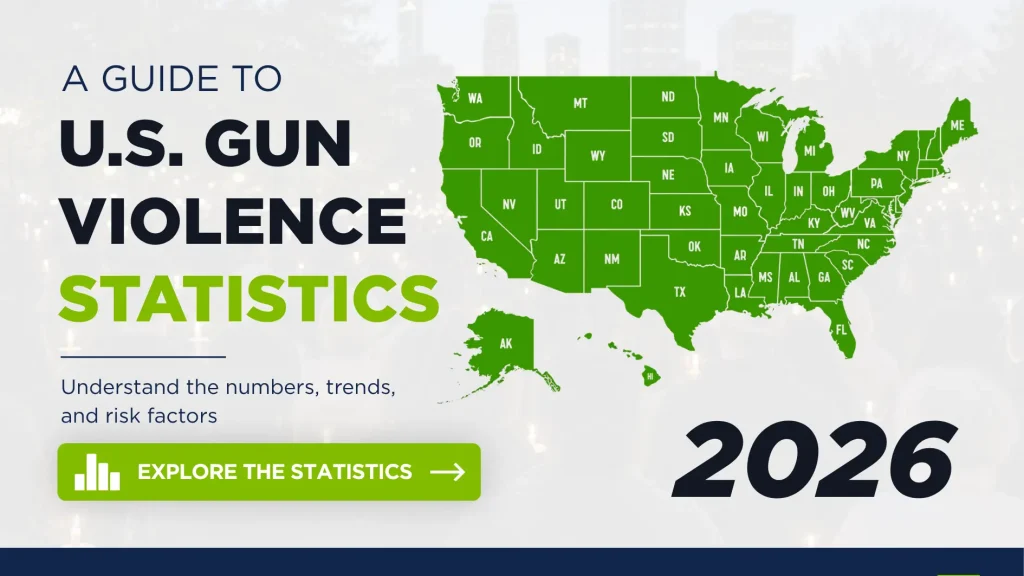
Incidents have taken place at both K-12 schools and at colleges and universities across the U.S. As of March, there have been shootings in states across all 4 census regions:
- West: California, Idaho, Nevada, Colorado, and Washington.
- Midwest: Illinois, Michigan, Ohio, Kansas, Missouri, North Dakota, and Wisconsin.
- South: Alabama, Florida, Georgia, Kentucky, Louisiana, Maryland, Mississippi, North Carolina, West Virginia, Tennessee, South Carolina, Washington D.C., and Texas.
- Northeast: Pennsylvania, Massachusetts and Rhode Island.
More shootings are happening in the Midwest and South and mostly take place in cities or metropolitan areas. Although firearm-related violence has targeted rural schools, this is consistent with the trend that shootings per capita are more common in urban and suburban areas.
What Counts as a “School Shooting”?
As discussed here and here, different organizations use different criteria when tracking incidents, which directly affects 2026 totals. These differences usually arise from the institutional level they consider, the types of incidents they count, the number of victims incidents result in, and the factors that are excluded. To accurately read statistics, you need to know what these terms entail.
Institutional Scope
Both the K-12 School Shooting Database and Education Week trackers focus solely on incidents in K-12 environments. Everytown, the CNN School Shooting Database, and Mother Jones also consider shootings in higher education.
Type of Incident
With regard to what kinds of incidents are included in each tracker, the K-12 School Shooting Database has the broadest criteria. It includes all events where a firearm is brandished (with intent), discharged, or a bullet hits school property. This encompasses everything from targeted school mass shootings to gang violence and suicides. Most other sources only count incidents where guns are fired (not just brandished) on school property (including buses, parking lots, and sports fields). Depending on the source, this could also mean accidental discharges are counted.
Victim-Based Criteria
Even when the level of education and the criteria for the type of incident are the same, final numbers can differ significantly depending on whether there are criteria for counting victims or not. For example, an incident where a student carries out a shooting that results in the murder of one individual and injures ten others may not be included in some trackers that have strict thresholds.
Neither the K-12 School Shooting Database nor Everytown has a victim-based criterion. They include all incidents, whether or not someone was shot. The CNN School Shooting Database and Education Week both have a minimum threshold of incidents resulting in one victim, either injured or killed. Mother Jones has the strictest criteria, counting only incidents with 3 or more fatalities… This is because their focus is on tracking mass shootings—a designation that is also inconsistently defined.
Exclusions
Other factors that affect how many school shootings each source reports include what they choose to exclude. Besides matters previously mentioned (for example, sources not counting incidents in higher ed, those without victims, etc.), certain sources also exclude other specific factors in their reporting:
- Don’t consider injuries or death of the shooter in victim counts: CNN, Ed Week, Mother Jones
- Don’t count suicides: Ed Week, Mother Jones, likely CNN
- Don’t include incidents where an authorized law enforcement officer or SRO was the sole shooter: Ed Week, CNN
How 2026 School Shootings Compare With Recent Years (2008–2025)
The post-2008 era has seen heightened attention to school gun violence following several large-scale tragedies, including:
- Sandy Hook Elementary (2012): 26 killed and 2 injured
- Umpqua Community College (2015): 9 killed and 8 injured
- Marshall County High School (2018): 2 killed and up to 18 injured
- Marjory Stoneman Douglas (2018): 17 killed and 17 injured
- Oxford High School (2021): 4 killed and 8 injured
- Robb Elementary School (2022): 21 killed and 17 wounded
- Apalachee High School (2024): 4 killed and 9 injured
- Tuskegee University (2024): 1 killed and 16 injured
- Annunciation Catholic School (2025): 2 killed and 21 wounded
School shootings in the United States hit an all-time high from 2023 to 2024, with numbers reaching up to 352 incidents in K-12 schools and 30 in higher ed during this time. Fortunately, there was an overall decrease in school gun violence in 2025, a trend that can hopefully be carried into 2026 and beyond.
Understanding where this year stands requires context from recent annual patterns.
At this Time in Previous Years: June 5
According to CNN’s database, incident counts are somewhat lower than at similar points in previous years (though the same as at this time last year). Casualty rates (7 killed, 10 injured) also appear lower than peak years like 2022, where mid-year surges nearly doubled early counts.
These comparisons matter because they help districts and communities assess whether prevention efforts are working.
High-Profile School Shootings in 2026
K-12 schools are usually the primary focus of school shooting tracking due to the vulnerability of children and the closed-campus nature of most elementary and secondary schools. As of March 2026, under the broadest criteria, there have been up to 82 school shooting incidents at this level of education, 6 of which resulted in injuries or death. Notable K-12 incidents include:
- Detroit Edison Public School Academy (February 27): A dispute at the end of a Michigan basketball game at the school escalated, resulting in a student being shot and injured outside of the school. The shooting occurred after school hours during a higher-traffic event, which highlighted the challenges of ensuring safety and security after school gets out.
- Wootton High School (February 11): A Maryland 16-year-old shot another student inside the school’s hallway on a Monday afternoon. This incident raised concerns surrounding the fact that the shooter used a “ghost gun” (a privately built gun) in the attack.
- Islamic Center of San Diego/Bright Horizon Academy (May 18): In an attack that is being investigated as a hate crime, two teenage shooters attacked a mosque and its attached pre-K through third-grade school, killing three adults who prevented the assailants from reaching the children, and injuring another.
- Fairfield High School (June 3): One teen was killed and three others were wounded during a shooting after a high school’s graduation ceremony in California. As of June 5, this shooting is under active investigation and a shooter has not yet been identified.
At this time (June 5), there have been no large-scale mass shooting events at K-12 schools this year.
Higher education campuses face different challenges and risks than K-12 schools; they are often open and accessible to the public, serve adult populations, have frequent visitors who are difficult to account for, host large events, and typically have alcohol and other substances present. These factors usually shape how gun violence at colleges and universities takes shape.
According to Everytown, as of mid-June 2026, there have been up to 17 shootings on college and university campuses. These have occurred in both public-access areas and academic buildings or dormitories. Key incidents include:
- South Carolina State University (February 12): A shooting in a campus residential building left two people dead and one other person injured. The incident appeared to have occurred during a marijuana sale between a student and three non-students. Incidents like this may not meet the mass shooting criteria for some sources, but reflect broader patterns that most campus gun violence stems from small-scale disputes rather than targeted mass casualty events.
- Old Dominion University (March 12): A former Virginia National Guard member with a criminal history of attempting to assist ISIS opened fire on an ROTC classroom, killing an Army lieutenant colonel and injuring two others. The incident is being investigated as an act of terrorism.
Comparing School Shootings With Broader Mass-Shooting Data
The Gun Violence Archive reports 167 mass shootings in 2026 as of mid-June, alongside approximately 5,322 homicides and 9,575 total injuries from all gun violence. When looking at youth specifically, they have counted 443 children or teens killed and 1,213 injured by firearms nationwide.
When considered against other forms of gun violence, school shootings represent a statistically small (but devastating) proportion of incidents in the U.S. Why do they draw significant attention?
- Schools are expected to be safe spaces
- Victims include children, teens, and educators
- Incidents affect entire communities beyond direct victims
- Parents and teachers share a universal stake
With up to a quarter of the entire U.S. population enrolled in some form of education (from preschool to higher ed), and educators and operational staff working hard to provide a safe and caring learning environment, a significant number of people are in schools or on campuses every day. Shootings anywhere affect school communities everywhere. Every incident matters.
Why Tracking Gun Violence in Schools is Critical
The distinction between mass shootings and other school gun incidents matters for policy and security strategies. Single-victim disputes, accidental discharges, and targeted attacks all shape school safety approaches differently. Patterns in community gun violence often mirror risks that spill over onto school grounds. If neighborhood shootings decline in 2026, school incidents may follow—and vice versa.
Distinguishing gun violence in schools from other forms while tracking is important and useful for several reasons:
Pattern Identification for Prevention
One of the key strengths of databases that track school shootings is their capacity to identify patterns and trends that might otherwise go unnoticed. For example, by analyzing data on the types of firearms used, motivations, the frequency of gang violence, and the timing and locations of shootings, the data helps reveal risk factors unique to certain regions or types of schools and can help to inform targeted prevention strategies.
Recognition and Awareness
Tracking the total number of students, educators, and other victims killed or injured provides a sobering reminder of the human cost of gun violence on school campuses.
Evaluating Security Effectiveness
Beyond school shooting statistics, data can be an invaluable resource for evaluating the effectiveness of school security measures. Schools and districts can figure out what works and what doesn’t in real life by looking at incidents that happened before and after weapons detection technology, emergency response plans, or more police officers were put in place. This evidence-based approach is essential for formulating policies that effectively improve school security and student safety.
Policy Responses and Safety Priorities for Schools in 2026

The decline in overall recorded school shootings in 2025, contrasted with several deadly and high-profile incidents, has shaped expectations for 2026 prevention efforts. Districts and policymakers are weighing which strategies deserve investment.
Key school safety debates in the United States
- Arming teachers (remains controversial, with little evidence of effectiveness)
- Expanding school resource officer programs (police presence shows mixed results in schools)
- Investing in mental health staff (growing agreement on importance)
- Implementing physical security measures: secure entry vestibules, classroom door locks, bulletproof windows, and weapon detection systems
Experts warn against “security theater.” This is when schools or districts choose new security technology and measures without conducting threat assessments or integrating them into existing safety plans. New technology by itself doesn’t stop violence; trained people and response plans are also needed.
Practical fundamentals that districts are prioritizing in 2026
- Anonymous reporting systems
- Threat-assessment teams with cross-functional training
- Staff training in behavioral intervention
- Drills designed to minimize trauma while building preparedness
- After-action reviews following any incident
Many 2026 school safety initiatives are also shaped by state-level gun laws. Safe storage requirements, age limits for gun purchases, and extreme-risk protection orders (red flag laws) vary significantly by state. Outcomes will differ accordingly.
What Schools and Communities Should Watch for as 2026 Unfolds
Throughout the year, schools and communities can keep an eye on a number of early warning signs and risk factors. What to watch:
- Threats online and patterns on social media
- Domestic violence that affects students or staff
- Escalating fights on or near campus
- Patterns of weapon possession among students
- Changes in conduct reports or disciplinary incidents
By keeping an eye on mid-year 2026 data updates from big databases like Education Week, Everytown, and the K-12 School Shooting Database, districts can change their safety plans when new patterns show up.
Recommended Best Practices
- Conduct regular after-action reviews when incidents occur
- Improve lockdown procedures based on lessons learned
- Update communication protocols with parents and first responders
- Maintain mental health supports for students showing signs of crisis
- Put security measures in place based on risk assessments for each school
If school shooting numbers continue to decrease throughout and beyond 2026, it will likely result from layered strategies rather than any single policy or technology. Policy, investments in school safety, mental health resources, and community violence intervention all have a part to play.
Final Thoughts: Making Schools Safer
In 2026, school shootings are still a big problem for the safety and health of students, teachers, and communities all over the U.S. While early data show a slight decline in incidents compared to recent peak years, the human toll remains deeply concerning, emphasizing the need to take comprehensive and proactive measures.
To be effective, prevention needs a balanced approach that includes better physical security, more mental health services, behavioral threat assessments, and getting the community involved. The ongoing development and use of advanced technologies, alongside legislative efforts such as the STOP School Violence Act and Extreme Risk Protection Orders, highlight a growing commitment to addressing this complex issue.
As the year progresses, data collection efforts have to be transparent. Leaders should continue to monitor trends, and policy discussions need to be informed. It is essential that schools, policymakers, parents, and communities work collaboratively to create safer educational environments where students can learn and thrive without fear. Only through sustained, evidence-based efforts can the cycle of gun violence on school grounds be broken, ensuring a more secure future for all.
Omnilert is proud to be part of the collective effort to minimize gun violence in schools. To learn about how Omnilert Gun Detection technology can help to combat gun violence on school campuses, click here.
Frequently Asked Questions (FAQs)
What qualifies as a school shooting in 2026?
Definitions vary among organizations, but generally, a school shooting involves the discharge or brandishing of a firearm on school property, resulting in injury, death, or sometimes just the presence of gunfire. Different databases may include incidents on both K-12 campuses and college grounds.
How many school shootings have occurred in 2026 so far?
As of early March 2026, there have been up to 82 K-12 shooting incidents reported in the United States (6 resulting in injury or death) and up to 17 at college campuses. These events have resulted in at least 26 deaths and 18 injuries. The way databases define “school shootings” impacts these numbers, with some reporting lower numbers.
What measures are schools taking to improve safety in 2026?
Schools are enhancing physical security with improved access controls and AI-powered weapons detection systems, expanding mental health services, implementing behavioral threat assessments, and encouraging anonymous reporting. Legislative support, like the STOP School Violence Act, also provides funding for these initiatives.
How do school shooting numbers compare to other forms of gun violence in the U.S.?
School shootings actually account for a small percentage of gun violence incidents in the United States. This does not diminish their significance or the devastation of each incident. Schools are places where safety is expected, where parents send their kids daily to learn and grow. With each new shooting, the fear of gun violence rises, and the foundation of safety is threatened.
Where are school shootings most common in the United States?
School shootings occur nationwide but tend to be more frequent in certain states like Texas, California, and Tennessee, which have the highest total number of incidents. In contrast, states like Delaware and Washington, D.C., have the highest rates per capita. Southern, Mid-Atlantic, and Midwestern states often report higher per capita rates than other states.