In December 2024, UnitedHealthcare CEO Brian Thompson was shot in Midtown Manhattan, an incident that pushed many companies to take a hard look at their executive security programs. It highlighted how critical it is to spot gaps in how organizations detect, assess and respond to threats involving high‑profile leaders.
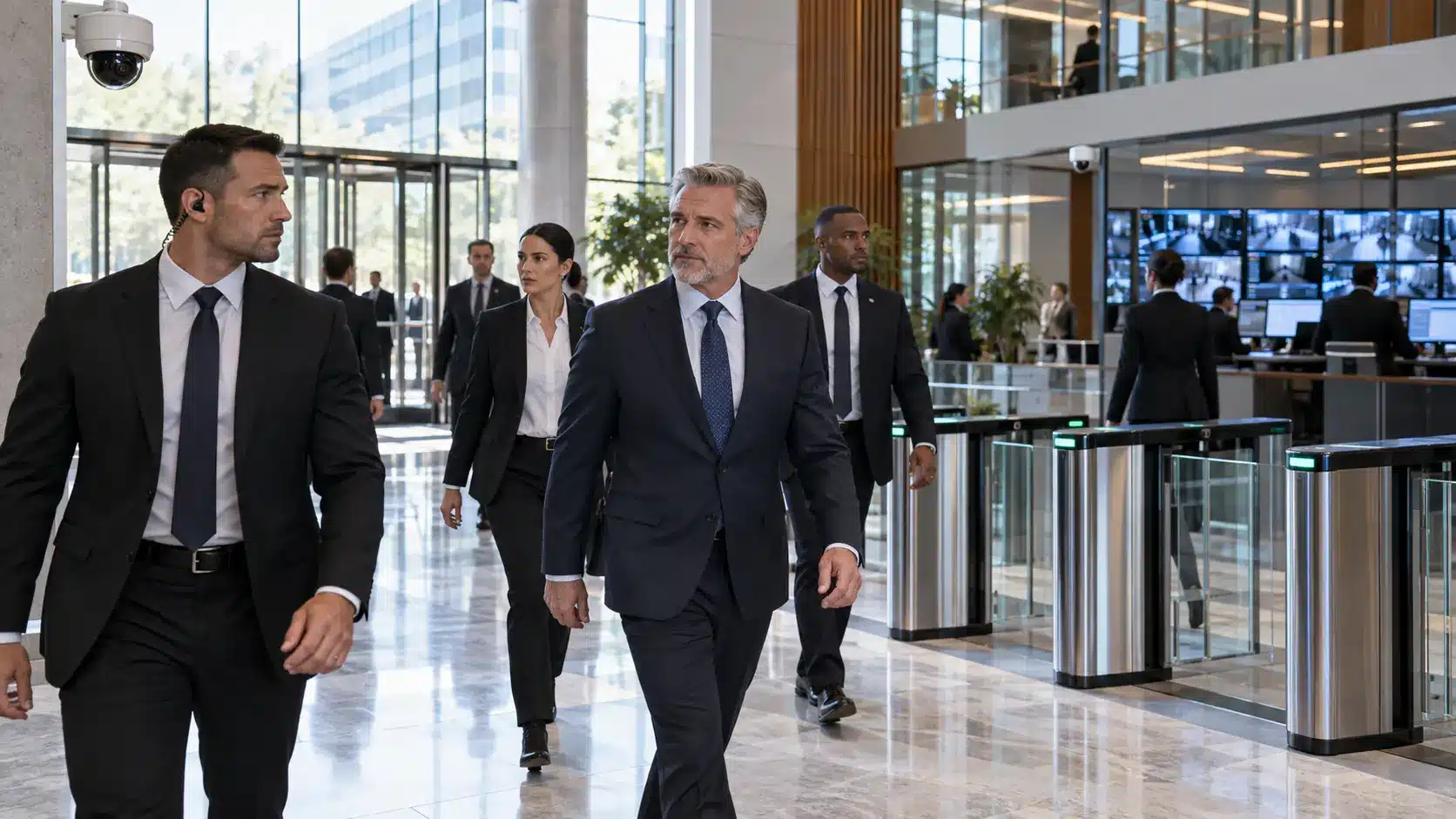
That broader view of risk is one reason executive protection has evolved beyond a bodyguard walking beside a principal. Today, it includes risk assessment, personal protection, secure mobility, protective intelligence, digital risk mitigation and proactive detection technologies working together across physical and digital domains. The main objectives are to help prevent harm and ensure personal safety while also safeguarding sensitive information from unauthorized access. As organizations place greater emphasis on protecting high-profile individuals from physical threats, executive protection has become increasingly common, with 70% of Fortune Global 100 companies using executive protection services.
Threats facing executives have evolved dramatically. Targeted violence, doxxing, insider threats and coordinated harassment campaigns can surface at work, during travel or at public events. That means executive protection has to stay flexible and adapt to where the individual is and what risks they may be facing.
This article will help organizations design a modern strategy that blends people, process and technology, including AI gun detection integrated with existing security cameras.
Key Takeaways
- Executive protection has evolved beyond traditional bodyguards. Today’s programs blend close‑protection agents with protective intelligence and modern tools like AI gun detection to spot threats earlier and coordinate faster responses.
- The need for personal protection now extends well beyond CEOs. Regional managers, R&D leaders, HR executives navigating layoffs, and anyone handling sensitive or high‑risk information may require support.
- AI gun detection, real‑time threat intelligence and automated response workflows help security teams identify a visible weapon sooner and take coordinated action before an attacker reaches the principal.
- Modern programs also integrate law‑enforcement partnerships, technical surveillance countermeasures and global operations planning into one unified, enterprise‑wide strategy.
- A practical starting point is to audit current protections, define clear risk tiers and deploy the most critical technologies at the highest risk locations first.
Who Really Needs Executive Protection? Beyond the C-Suite

High-profile individuals are not limited to CEOs. The need for executive protection depends on visibility, access to sensitive information, decision-making responsibilities and recent incidents or threats.
Roles that frequently require executive protection services include:
- Chief executives and founders in high-exposure industries like healthcare, tech and pharmaceuticals
- Regional managers
- Anyone handling sensitive information or facing active threats
- Investor-facing leaders (CFOs, IR heads) subject to protests tied to financial results
- R&D leaders working on critical intellectual property
- Regional directors operating in unstable or high-crime zones
- Public-facing HR leaders handling mass layoffs or labor disputes
- Security professionals and corporate counsel who receive direct threats
Concrete risk scenarios today span a wide range, from activist pressure on ESG leaders to online harassment of public‑health officials during pandemics, and even threats aimed at legal teams after major litigation. Organizations can get ahead of these issues by assessing factors like media visibility, social‑media reach, travel routines, workplace exposure and any prior law‑enforcement reports.
Risk-tiering is key. The 2025 ASIS International Executive Protection survey found that 38% of organizations give their highest‑risk individual full 24/7 close protection, while 40% only activate home or commute protection when a specific threat emerges. That reflects how executive protection can be tailored to a specific risk profile. Coverage can span residential, workplace, travel and event security and be documented in corporate security policy.
Core Components of a Modern Executive Protection Program
A program is built on three pillars: people (executive protection agents and personal protection officers), processes (standards and playbooks), and technology (detection, communications and automation). Proactive risk management is a core part of strong protection programs. A structured approach helps organizations spot vulnerabilities early, clarify who’s responsible for what and prepare for potential threats long before anything happens.
At the enterprise level, those same elements should connect with the broader physical security environment, including video surveillance, access control, emergency communications, monitoring and established response procedures.
Executive protection agents play a big role in putting that strategy into practice. They may handle close protection, advanced work at venues, route planning, discreet management of principal routines, and coordination with trained drivers, venues, facilities and corporate security operations centers. Agents also conduct threat assessments and plan secure routes for daily tasks like airport transfers, board meetings and product launches. Effective communication skills are crucial as agents must coordinate across security teams, local law enforcement and corporate leadership with discretion.
Key process elements include formal risk assessments, written protection plans for senior leaders, travel security protocols, emergency response planning and after-action reviews following incidents or major trips.
Training and professional development also matter. Executive protection agents may come from military, law enforcement or private security backgrounds. Effective protection also requires specialized training in areas such as first aid, defensive tactics and advance planning. Training requirements should reflect the responsibilities, risk environment and policies of the organization.
From Close Protection to Protective Intelligence
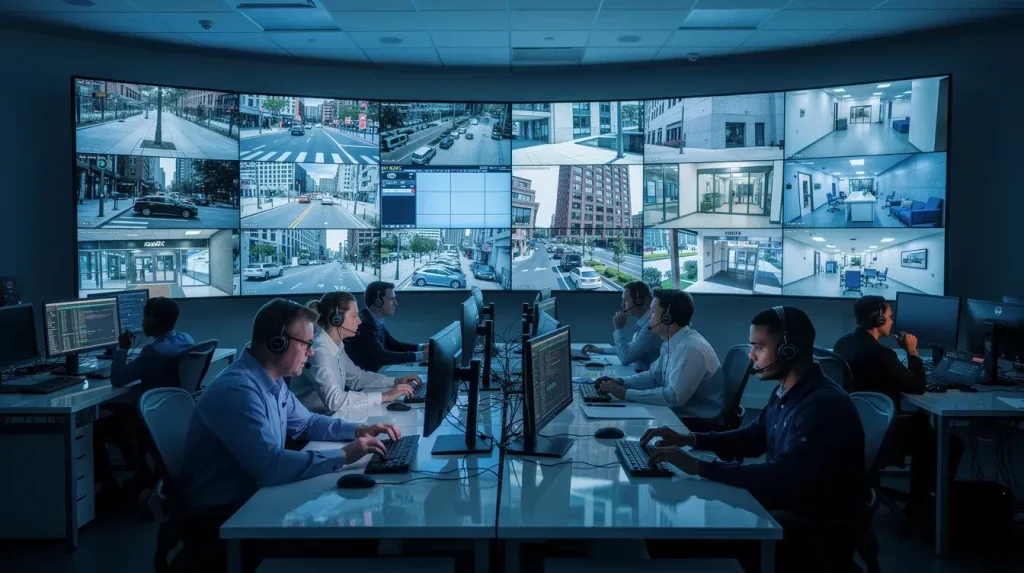
Modern programs use protective intelligence to spot potential threats earlier and support a more proactive response.
In practice, protective intelligence involves collecting and analyzing information from social media, open‑source news, internal HR or security reports and public records to identify people of concern, patterns of stalking or signs of escalating grievances. Google’s Threat Intelligence Group reported a significant rise in digital targeting of company executives beginning in 2024, driven by ideological, political and financial motives, and noted an increasing overlap between online harassment and real‑world violence.
This intelligence guides real decisions like adjusting travel plans, increasing security at specific offices, notifying local law enforcement about credible threats or temporarily raising the level of personal protection for an executive who has been targeted. Counter‑surveillance efforts support this work by identifying suspicious activity around offices, venues, travel routes or any location where a protected individual may be present.
Security teams should collaborate closely with legal, HR, IT security and communications to ensure threat information is shared responsibly. Key intelligence indicators include:
- Direct threats in emails or voicemail
- Repeated hostile comments on social media or public forums
- Suspicious surveillance activity near residences or offices
- Disclosure of private data or doxxing attempts
- Major disputes, grievances or terminated-employee escalations
Executive protection helps safeguard sensitive information from unauthorized access throughout this process. It helps ensure that confidential information is only shared with the right people and the right intelligence reaches those who are responsible for taking action.
Integrating Technology: AI Gun Detection, TSCM and Automated Response
Technology can give security personnel an earlier look at armed threats or covert surveillance, offering them more time to understand what’s happening and respond appropriately.
AI gun detection can add another layer of protection by helping identify a visible firearm threat sooner. That extra time can give security personnel a chance to verify the situation and take action before the threat gets closer to the protected individual or escalates.
Omnilert’s platform analyzes live security camera feeds to identify handguns and long guns near people and help recognize when a weapon is being brandished. The system follows a three-step process: assess, detect and analyze. It can work with existing IP cameras, operate indoors and outdoors, and send video clips and alerts to a security operations center or external monitoring service for human verification.
Privacy is also part of the design. The system is designed to detect weapons rather than identify people, which helps organizations stay aligned with privacy and compliance requirements while still gaining earlier awareness of potential threats. Omnilert has earned the SAFETY Act Designation from the U.S. Department of Homeland Security as anti‑terrorism technology, and in 2025 it supported more than 3,000 AI gun detection events across more than 1,000 organizations.
Other technologies can also play a role in executive protection. Technical surveillance countermeasures, for example, involve routine sweeps of offices, vehicles and meeting spaces to look for hidden cameras, microphones, GPS trackers or other devices that could expose sensitive information. According to the ASIS 2025 survey referenced earlier, 37 percent of organizations with executive protection programs use these types of countermeasures.
Detection is only one part of the response. Automated workflows can help connect an alert to the next steps, such as locking doors, activating mass notification systems, sending location-rich alerts to security personnel or providing local law enforcement with relevant incident information. For example, a visible gun could be identified at a building entrance before the principal arrives or in a parking lot during a corporate event.
Human verification remains essential. AI detections still need context, so trained personnel should review alerts before response actions begin. That helps organizations make more informed decisions and avoid unnecessary disruption.
Securing Mobility and Global Operations
Executives and other high-profile individuals can face added risk when they’re on the move, whether they’re commuting, visiting another office, attending a conference or traveling internationally. Executive protection that includes careful planning and support that can adapt to changing conditions can help reduce that exposure.
Security drivers play a key role. Route planning and analysis, safe arrival and departure procedures, secure parking arrangements and coordination with hotel and venue security personnel can all be part of travel security. Planning should also cover secure ground transportation, safe accommodation and any threats specific to the locations an executive will visit.
Global operations can add even more challenges. Gun laws can differ from country to country, law enforcement response times vary, local crime patterns can shift quickly, and political instability or cultural norms can influence how visible or discreet close protection should be in higher‑risk areas.
If a situation changes or a threat develops, the response has to move quickly. That might mean adding protection personnel, using secure communications, tracking executive vehicles or changing travel plans as new information comes in.
Organizations should have a repeatable playbook for international trips including:
- Pre-travel briefings on region-specific threats, medical facilities and political climate
- In-country contacts with local law enforcement and diplomatic resources
- Emergency medical evacuation plans
- Escalation paths back to corporate security, executive leadership and other designated stakeholders
Building Your Executive Protection Strategy: Governance, Ownership and Culture

Executives must own their personal safety practices while security teams provide the framework. Protection is a partnership, not something that can be entirely outsourced. Clear procedures for workplace access, travel, public appearances and elevated-risk situations help make that partnership effective.
Governance should include an executive sponsor such as a Chief Security Officer or Chief Risk Officer, along with clear criteria for who is authorized to request protective details and written policies that outline when coverage should be increased or reduced. Organizations should also create formal guidelines for social media use, public appearances and information shared by executives, especially when posts or comments could reveal travel plans, schedules, event locations or other sensitive information.
For organizations operating across multiple locations, enterprise-wide standards can help keep protection and escalation procedures consistent while allowing for differences in facilities, staffing and local response requirements.
Building a security‑aware leadership culture is just as important. Regular briefings on current threat trends, tabletop exercises that walk through scenarios such as an armed intruder or a public protest, and short training sessions on situational awareness and how to work effectively with executive protection personnel can help leaders better understand their role in the protection process and how security procedures should function during a real incident.
That same mindset should carry over into regular program reviews. Exercises, incident debriefs and metrics such as alert verification and response times can reveal gaps and help refine procedures over time.
A practical next step is to audit current protections, identify who is covered and at what level, and look for gaps in early threat detection, intelligence and response. From there, organizations can evaluate and pilot solutions such as AI gun detection at higher-risk locations and develop a phased roadmap toward a more intelligence-driven executive protection program.
A More Proactive Approach to Executive Protection
Modern executive protection goes beyond close protection alone. It brings together risk assessment, protective intelligence, trained personnel, early threat detection and coordinated response so organizations can better protect high‑profile individuals across workplaces, events and other environments where the risk is higher.
For organizations already using security cameras, technology can help extend that broader strategy by providing earlier awareness of visible firearm threats and connecting detection with established verification and response procedures.
Learn more about how Omnilert can support your executive protection strategy with AI-powered gun detection that works with your existing security cameras.
Frequently Asked Questions (FAQs)
How do we decide if a leader needs full-time close protection or just event-based coverage?
Decisions should be based on a structured threat assessment that considers threat history, public visibility, strategic importance and upcoming triggers like layoffs, mergers or controversial announcements. Creating defined risk tiers helps: Tier 1 leaders may receive continuous close protection, while Tier 2 and Tier 3 personnel receive personal protection primarily during travel, public events or specific high-risk periods.
Can AI gun detection work in our existing buildings without replacing all our cameras?
Modern AI gun detection platforms like Omnilert’s are designed to work with many existing IP-based security camera systems, so organizations can leverage their current infrastructure. A site assessment is typically required to confirm camera placement, field of view, lighting and coverage of key choke points like lobbies, parking lots and executive entrances to achieve reliable performance.
How does executive protection work with local police during an incident?
Best practice is to establish relationships with local police in advance, share high-level information about at-risk executives, facility layouts and emergency contacts. During an incident, security agents coordinate with responding officers and provide relevant incident information and video when available.
What about privacy for executives, employees and visitors?
Properly designed programs and technologies focus on threat objects and behaviors (visible firearms and hostile surveillance), not individuals or facial recognition. Organizations should work with legal and compliance teams to update privacy notices, data retention policies and internal comms so employees understand how executive protection technologies and data are handled.
How long does it take to get an executive protection program up and running?
There’s no one-size-fits-all timeline. The pace is determined by the organization’s risk profile, the security measures already in place and how much protection is needed. Some capabilities can be rolled out quickly, while building a fully mature program takes time as procedures are refined, new technology is added and protections are adjusted in response to changing risks.