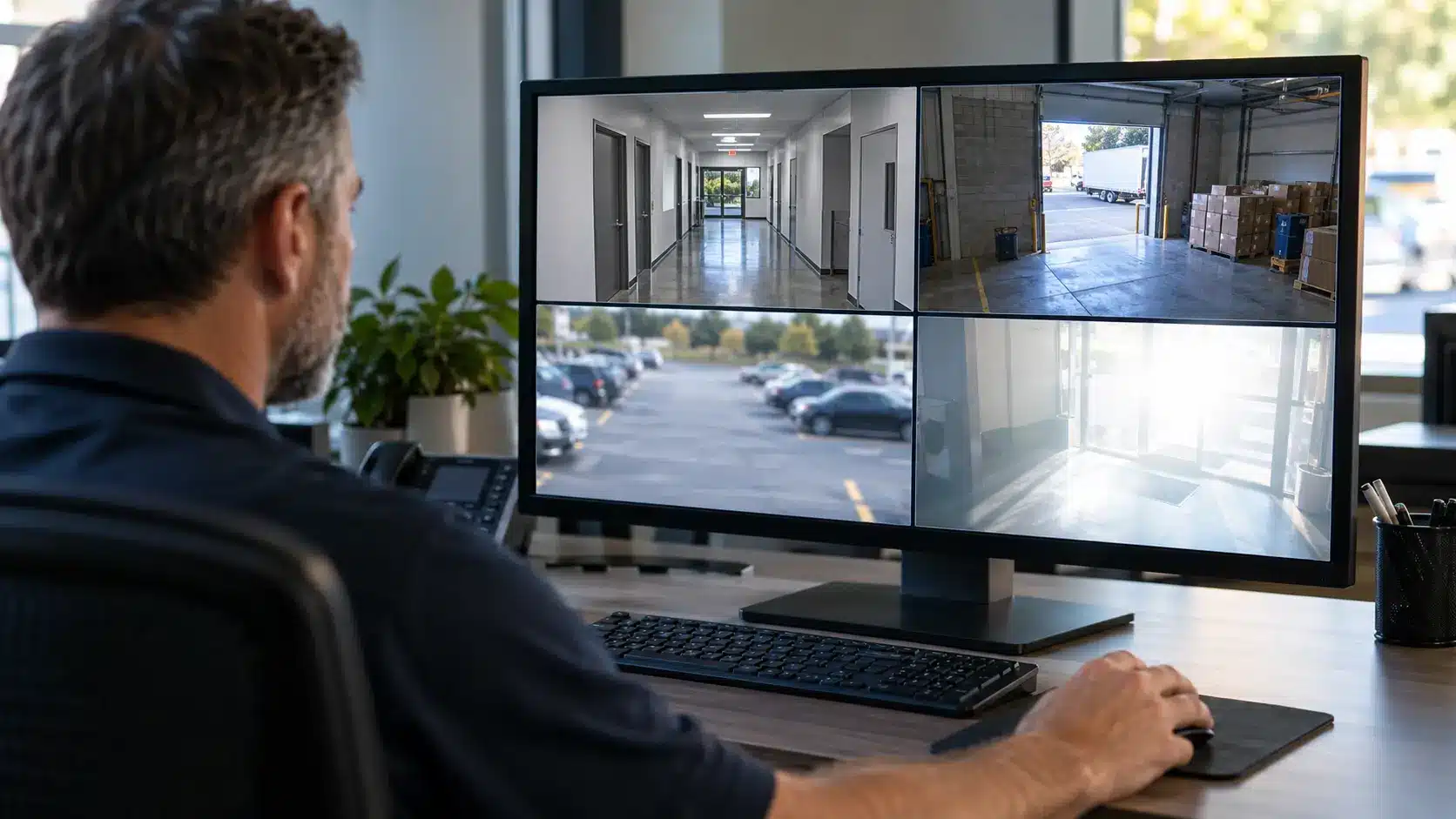
Seeing is protecting. Discover how Omnilert evaluates 120+ camera quality and readiness factors to help ensure your cameras deliver usable video when it matters most.
A security camera can be online, recording, and reporting no connection issues while providing video that won’t meet your team’s needs. Camera health monitoring helps organizations look beyond connectivity to evaluate whether the video itself is actually usable. An obstructed view might hide a service entrance. Poor exposure could obscure important details. A camera that’s shifted out of position may no longer capture the area it was installed to monitor.
In many cases, these problems go unnoticed until someone needs the footage. For organizations that depend on video for surveillance, investigations, analytics, and AI-powered detection, that leaves an important question unanswered: Are your cameras actually capable of doing the jobs you rely on them to do?
Join Omnilert on November 10, 2026, at 2:00 p.m. ET for “Beyond Uptime: The Next Generation of Camera Health Monitoring.” Ara Bagdasarian, Omnilert’s Co-Founder, will join Eric Polovich, Director of Product & Partner Enablement, and Phil Dalencour, VP of Product, to explore this challenge and introduce Omnilert AI Camera Health Monitoring.
The session will give security professionals, IT leaders, integrators, and end users a practical look at how automated camera assessment can help them understand and maintain the quality of their video.
Why Camera Connectivity Tells Only Part of the Story
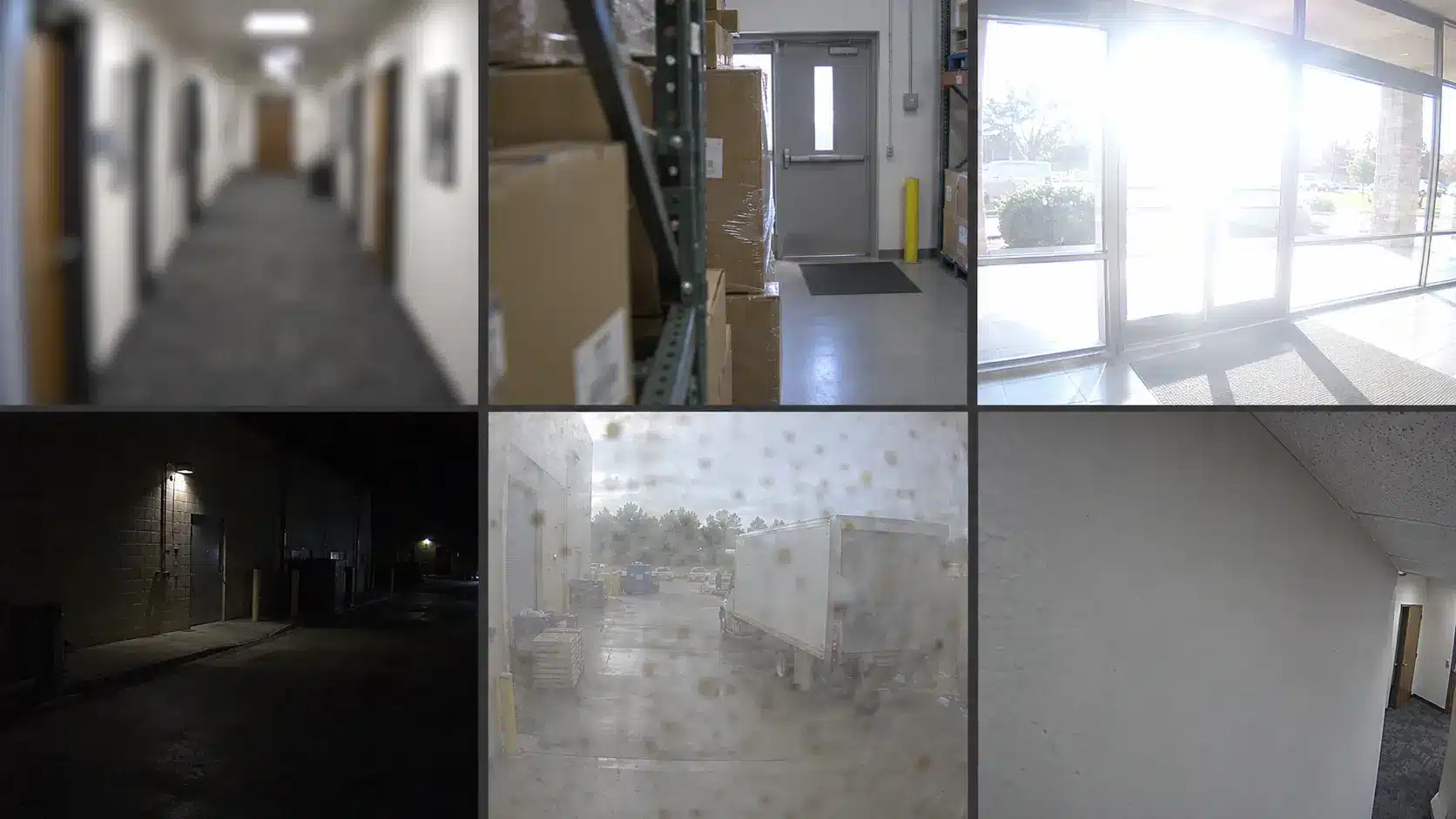
Uptime and connectivity monitoring helps teams know if their cameras are reachable, but it doesn’t tell the whole story about the video those cameras produce.
Blur, glare, poor lighting, obstructions, and misalignment can all impact whether the footage has the visual information needed for a particular task. A feed might be “available” but lack enough detail to support an investigation or provide useful input for video analytics. Or, for a security operator looking into an incident, those missing details can make it harder to understand what’s happening.
But checking these conditions manually across hundreds or thousands of cameras is impractical and can quickly become difficult to sustain; over time, views change as lighting shifts, equipment moves, or new objects block previously clear sightlines. Cameras that produced good quality video one day might need attention months, or even weeks, later.
We’ll examine these gaps and discuss why the growing use of analytics and AI makes consistent attention to camera image quality increasingly important.
Introducing an Automated Camera Assurance Layer
Omnilert’s AI Camera Health Monitoring tool, or Camera Health, provides an automated assurance layer for the camera environment, helping organizations understand the quality of the imagery their cameras deliver.
By evaluating over 120 camera quality and readiness factors, the solution helps teams regularly assess camera quality, identify issues, and prioritize attention across their camera fleet. It supports a repeatable process for assessing image quality, addressing problems, and checking whether corrective work improved the view.
That process gives teams a basis for making maintenance decisions. For example, an image quality issue might indicate a need for cleaning, repositioning, configuration changes, or further investigation. Camera Health surfaces the condition by assessing the camera feed, giving the team a starting point for determining the cause and appropriate corrective action.
The discussion will also cover what Omnilert has learned from evaluating cameras for AI gun detection and why usable video matters across many other security applications.
See How Assessment Leads to Action
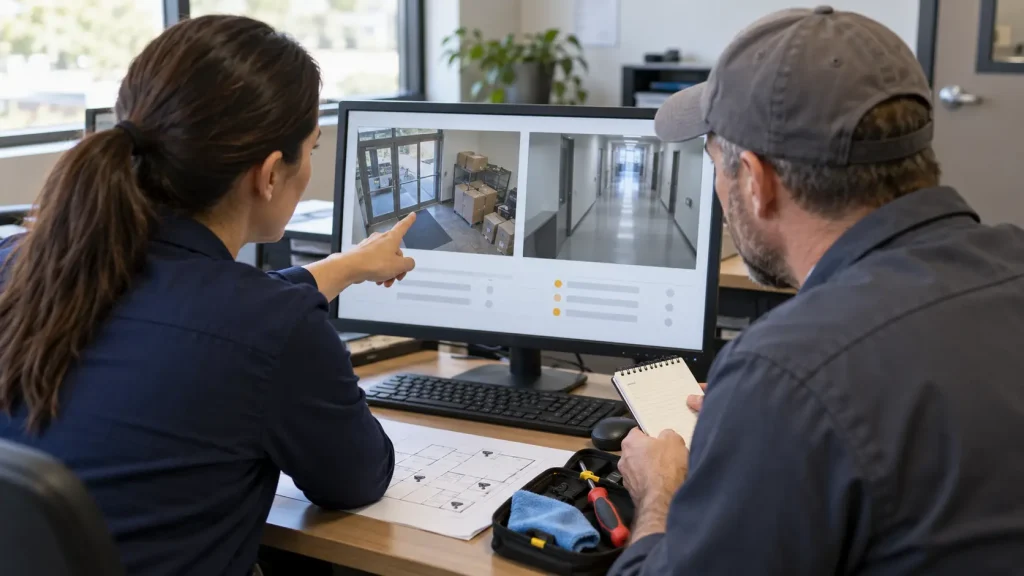
Identifying a degraded camera feed is just one step in resolving the issue. Teams also need a way to prioritize the work, document what was done, and determine whether the correction helped.
The speakers will walk through the Camera Health workflow, from importing cameras and assessing imagery to identifying issues, prioritizing remediation, and verifying improvements, connecting camera quality information to the practical work of maintaining a camera environment.
Attendees will learn how this process can support:
- Recurring camera audits: Establishing a consistent approach to reviewing image quality and identifying cameras that need attention.
- Post-installation validation: Assessing the video cameras produce after deployment and surfacing issues that may require adjustment.
- AI readiness: Identifying image-quality issues that may affect the usefulness of video for analytics and detection.
- Multi-site standardization: Applying a repeatable assessment process across locations with different conditions and maintenance needs.
- Ongoing assurance: Documenting corrective actions and reassessing cameras to verify improvement.
These applications can help teams make camera quality assessment part of an ongoing operational routine.
Join the Conversation
If your organization has already invested in security cameras and the systems that use their video, understanding whether those cameras continue to provide usable footage helps support the value of that investment and the people who rely on it.
Whether you oversee one facility, manage a distributed camera network, or help customers deploy and maintain security systems, this session will offer a practical introduction to automated camera health monitoring.
Join us to explore the approach, see Omnilert Camera Health in action, and bring your questions for a live Q&A with the speakers.
Webinar: Beyond Uptime: The Next Generation of Camera Health Monitoring
Date: November 10, 2026
Time: 2:00 p.m. ET
Featuring: Ara Bagdasarian, Eric Polovich, and Phil Dalencour