
Artificial intelligence is reshaping how organizations think about physical security. What used to depend almost entirely on security staff watching camera feeds has shifted into something far more proactive. AI‑enabled cameras and automated detection systems can spot potential risks earlier, help teams monitor large spaces more efficiently, and speed up response times when something goes wrong.
As AI becomes more common in physical security, it brings new AI privacy concerns, including how much data is collected and what happens to it once it’s stored.
This article takes a closer look at major AI‑related privacy concerns in physical security, the risks of surveillance and data collection, and how AI can be used responsibly while still protecting people’s privacy and maintaining public trust.
Key Takeaways
- AI is now a big part of physical security, and with that comes real AI privacy concerns. Facial recognition, video analytics, and other AI‑driven tools make people wonder how much personal data is being gathered, what it’s used for, and how long it’s kept.
- Not all AI security tools operate the same way. Some can identify individuals or follow their movement, while others look for certain objects, behaviors, or possible risks and don’t use facial recognition at all.
- Algorithmic bias and false positives can have serious consequences. When AI gets it wrong, it can trigger unnecessary attention or even the wrong security response. That’s why human judgment remains a critical part of any AI‑powered system.
- Building privacy into the design helps organizations protect people while still improving security. They can reduce risk by collecting only what’s necessary, limiting access, defining how long data is kept, and using human verification.
- Responsible AI builds trust. It’s important to understand how AI-powered security tools work, what data they collect, and how decisions are made before using them. Transparency and accountability are critical.
Why AI Privacy Concerns Matter in Physical Security
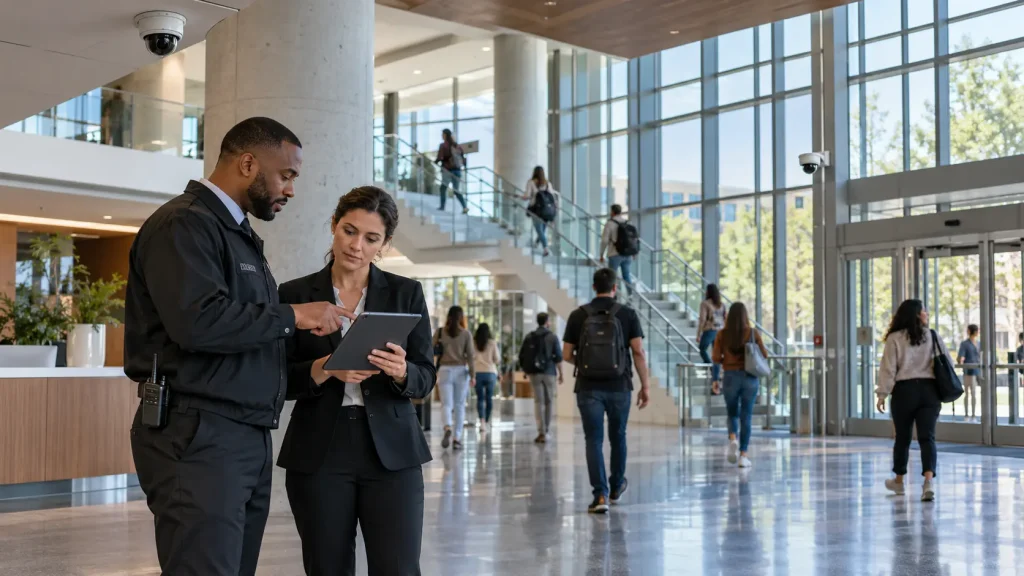
Security cameras have been part of schools, workplaces, hospitals, transit systems, and other public spaces for decades. Now that AI is becoming more common in these environments, it’s also bringing new questions about privacy and how these surveillance tools are being used. People want to know: what information is being collected? How is it used? Who has access to it? For many, facial recognition, the ability to track someone across multiple locations, and how long surveillance footage is stored are some of the biggest concerns.
And those AI privacy concerns aren’t just anecdotal. In 2023, the International Association of Privacy Professionals found that 57% of consumers worldwide see AI’s use of personal data as a major privacy threat. A December 2025 YouGov poll showed only 5% of U.S. adults trust AI “a lot,” while 41% don’t trust it. Another YouGov survey from March 2025 found that 71% of Americans want more regulation around AI.
These findings may not focus solely on physical security, but they make it clear why addressing AI privacy concerns through transparency, accountability, and good data practices is so important when organizations start using AI‑powered security tools.
The question isn’t simply whether AI can enhance security. It’s how to use it so it respects privacy and preserves trust.
How AI Is Changing Physical Security
AI is expanding what’s possible in physical security, and this introduces new AI privacy concerns. Security leaders can make more informed decisions when they understand the different types of AI security technology, how they’re used, and the information they collect.
AI Video and Object Detection
AI video analytics can scan camera feeds and flag objects or activities that need attention. Some systems can spot visible firearms, others can catch vehicles entering restricted areas, and some watch for movement along a property’s perimeter.
Unlike facial recognition, object detection focuses on what’s happening in the video, not who the person is. This lets certain threats be identified without using biometric data.
Facial Recognition and Biometric Identification
Facial recognition technology uses a person’s facial features to verify or identify who they are. In physical security, AI is commonly used to manage access, verify identities, or compare someone’s face to a database.
Since this involves biometric data, it raises extra privacy questions around consent, how the data is protected, how accurate the system is, and what happens if it gets something wrong. A facial recognition system also raises very different questions than a tool designed only to detect an object.
Behavioral Analytics and Tracking
Some AI‑powered security systems can analyze movement or behavior to spot activity that seems out of the ordinary. That can help identify potential issues, but it also raises questions about how people are being monitored. When information from multiple cameras, locations, or databases is combined, organizations can end up with a detailed picture of someone’s movements and daily routines. Understanding these differences is an important first step in evaluating AI‑related privacy risks.
The Biggest AI Privacy Concerns in Physical Security
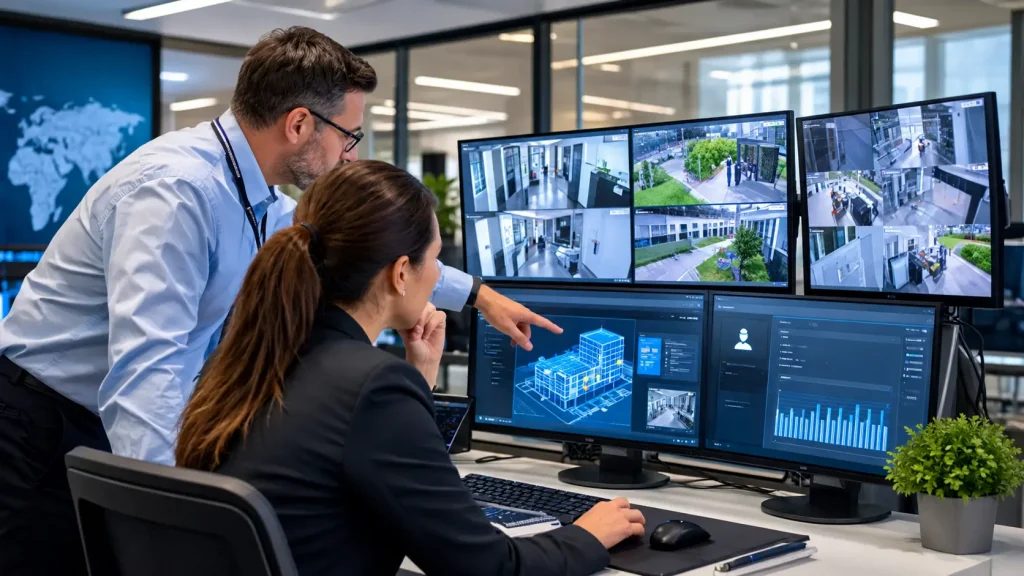
Because AI-powered security systems can collect and process so much information, having a clear grasp of the AI privacy concerns they raise is essential.
1. Excessive Data Collection
Personal data isn’t needed for every security issue. A system that flags unusual activity may only need to know that something happened, not who was involved. Keeping data collection to what’s necessary protects privacy and sensitive information.
2. Tracking and Profiling Individuals
AI can link footage across cameras and track events as they unfold. During an investigation, that capability is a real asset, but it also allows huge volumes of information to be collected almost effortlessly. Over time, this kind of tracking can reveal personal routines and habits that have no bearing on security. Organizations should therefore think carefully about when and how these tools are used, and put safeguards in place so personal information is treated with care.
3. Unclear Data Retention Policies
Security cameras often capture footage of employees, visitors, customers, students, or patients. When that footage is kept for long periods of time, the organization takes on additional responsibility for protecting it.
It is worth asking these questions:
- How long is the footage stored?
- Who is allowed to access recorded video and any related analytics?
- Is any of the information shared with third‑party providers?
- Can the footage be used for purposes beyond the original security need?
- What procedures govern deletion?
Clear retention policies help ensure that surveillance data is not kept indefinitely without a legitimate operational reason.
4. Unauthorized Access and Data Exposure
Video footage, biometric data, and system logs can expose sensitive details about the people in a space, building layouts, and security operations. Protecting that information requires encryption, strict access controls, ongoing monitoring, and secure storage. Vendors deserve close attention as well, particularly when cloud services or third-party providers are involved, so it’s worth knowing exactly how they handle the data.
5. Using Security Data for Unrelated Purposes
Information collected to protect a facility shouldn’t automatically be used for anything else. For example, video that has been collected for an investigation shouldn’t be used for monitoring employee productivity or analyzing customer behavior. Using data in ways people didn’t expect can erode trust, even if it was gathered for a valid security reason.
Algorithmic Bias, False Positives, and Human Oversight
Privacy involves more than just collecting information. It also includes how a system reads that data and what happens if it makes a mistake. A model’s behavior can change based on its training data, design and environment. Mistakes can have real consequences.
How Bias Can Affect Physical Security
Algorithmic bias happens when AI systems deliver consistently different or unfair results for certain groups. One well‑documented example is uneven accuracy in facial recognition.
A National Institute of Standards and Technology (NIST) study found demographic differences in the performance of many facial recognition algorithms. The extent of those differences varied by algorithm, demographic group, and the type of identification task.
In a physical security environment, inaccurate identification can result in unnecessary scrutiny, denied access, or other inappropriate actions.
Bias can show up in the way a system is set up. Where cameras are placed, how clear the video is, the lighting, and even choices about what activity should be flagged all affect how well the technology works. That’s why reviewing a vendor’s general accuracy numbers is not enough. Organizations need to see how the system performs in the actual environment where it will be used.
A Real-World Example: Facial Recognition in Retail Security
In December 2023, the Federal Trade Commission launched an investigation into Rite Aid over its use of facial recognition technology in hundreds of its stores.
The FTC claimed the system repeatedly sent out false-positive matches that led employees to incorrectly identify and confront customers suspected of wrongdoing. The FTC also said Rite Aid hadn’t done enough to evaluate accuracy, reduce risks and protect its customers.
The case highlights why organizations must look beyond the alert itself. Even with legitimate security uses, inaccurate results and weak safeguards can create serious consequences.
Why Human Verification Matters
AI can flag situations that might need attention, but it shouldn’t be the final word. A human still needs to look at the alert, review the details, and decide whether any action is necessary. For example, if a system spots what looks like a weapon in a camera feed, a trained reviewer can evaluate the alert before it moves into any emergency response process.
Human review doesn’t eliminate every risk, but it can help catch mistakes technology may miss. That extra layer of judgment can help keep false alarms from turning into an inappropriate response.
Balancing Security, Privacy and Civil Liberties
Using AI for physical security raises real privacy questions. The same systems meant to keep people safe can monitor them as they go about their day. That matters in schools, hospitals, workplaces, and public spaces, where people often have no choice but to be on camera. The best approach is to focus on real threats and not on tracking or collecting data that isn’t needed.
Security Doesn’t Have to Mean Identifying Everyone
Not every security situation requires knowing who someone is. In a restricted area, such as a server room or a loading dock after hours, the system may only need to register that someone has entered. Identifying that person adds little value. Choosing technology built around the specific security concern keeps people safe while limiting the personal information collected along the way.
Transparency Helps Build Public Trust
People tend to accept security technology more readily when organizations are open about why it’s being used and what safeguards protect them. That doesn’t require revealing sensitive details about camera coverage or security procedures. A few key points are usually enough to communicate:
- Why the AI tools are being used
- Whether the systems identify individuals
- What information is collected
- How the data is protected and stored
- How human reviewers fit into the process
- How people can raise questions or concerns
In schools and healthcare facilities, this kind of transparency helps reassure families, patients, staff, and the community that privacy is being taken seriously.
Privacy by Design: Building Responsible AI Security Systems
Privacy by design starts before an AI security system is ever switched on, with clear decisions about what personal information gets collected, how it’s used, and how it’s protected. Organizations that build safeguards into the technology and its governing policies from the outset can head off many privacy concerns instead of scrambling to address them later.
NIST’s AI Risk Management Framework identifies privacy, transparency, accountability, reliability, and fairness as the markers of trustworthy AI. In physical security, these ideals show up as day-to-day habits that keep people safe while holding data collection to what’s actually needed.
Limit Data Collection to What’s Necessary
Before an AI security system is set up, it helps to be clear about what information it actually needs in order to work. Does it have to identify people, store video, or pull together data from several sources? Where the answer is no, those features are better limited or switched off, so the system doesn’t collect more than the job requires.
Establish Clear Access and Retention Policies
Access policies must explain who can access live video, recordings, and security settings. Retention policies should explain how long information is kept, when it should be deleted, and whether special rules apply during investigations or legal requirements. Both should be checked regularly to make sure they still work for the organization.
Keep Humans in the Loop
Human oversight shouldn’t be an afterthought. It needs to be part of the playbook from day one. Teams should be clear about who’s responsible for reviewing AI‑generated alerts, what context those reviewers get, when something should be escalated, and how each decision is recorded. All of that structure should be in place before the technology ever goes live.
This same principle should apply across all physical security measures: AI provides insight and humans make the key decisions.
Regularly Evaluate System Performance
AI security tools work best when they’re reviewed regularly. Things like where cameras are placed, how the lighting shifts, and everyday changes around a space can influence how the system interprets video. Investigating false alerts, checking missed events, and addressing anything that affects accuracy help keep the system reliable.
Understanding AI Privacy Laws and Regulations
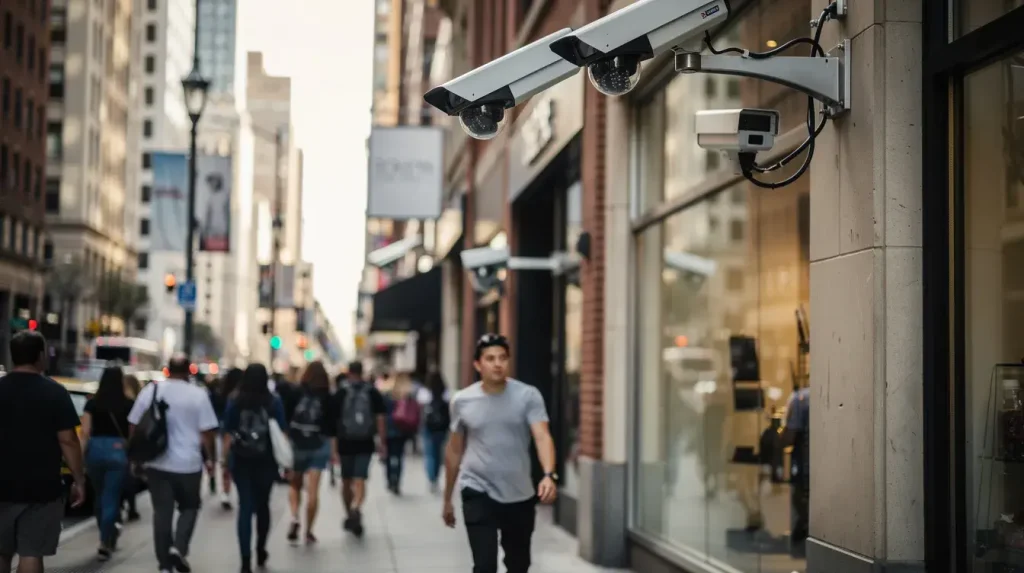
Organizations that use AI-powered surveillance or biometric tools should know which privacy laws govern them. The rules differ depending on where the organization operates, what industry it works in, which technology it relies on, and how it collects and stores personal information.
Because multiple regulations may come into play, it’s important for organizations to know their responsibilities before rolling out these technologies.
GDPR: In the EU, the GDPR lays out just how organizations must collect, use, store and protect personal data. They need to have a lawful reason to process information, be upfront about what they’re collecting, limit data to only what’s necessary and have strong security measures in place.
EU AI Act: The EU AI Act is the European Union’s framework for governing how AI is built and used. It puts strict limits and specific obligations on certain biometric identification and surveillance tools, with the broader aim of protecting people’s rights and encouraging responsible AI practices.
California Consumer Privacy Act (CCPA/CPRA): California’s privacy laws give consumers specific rights over their personal information and spell out how businesses may collect, use, and share it. Because security system data frequently counts as personal information, it is often subject to those same rules.
State biometric privacy laws: Several states regulate how organizations collect, use, store, and protect biometric data like facial scans and fingerprints. Depending on the law, companies may be required to notify people, get their consent, and set clear policies on how long the data is kept and when it is deleted.
Hospitals, schools, and similar organizations may face additional requirements for sensitive data. Because privacy laws vary by region and industry, security leaders should work with legal experts to understand the rules that apply before deploying new technologies
Still, checking the legal boxes isn’t enough. Teams also need to think about whether AI is necessary, whether the monitoring is reasonable, and how the technology might shape people’s sense of privacy and trust.
Practical Steps to Reduce AI Privacy Risks in Physical Security
Organizations don’t need to avoid AI to prioritize privacy. Many AI privacy concerns can be handled with a careful, well‑planned approach to choosing and managing the technology. Here are a few steps that can help.
| Practical Step | What Organizations Should Do |
| Define the Security Objective | Identify the specific security problem to be solved, whether it’s weapon detection, access control, or perimeter monitoring. Don’t deploy capabilities that aren’t necessary. |
| Understand What Data Is Collected | Ask vendors what information their systems capture, whether they identify individuals, and how video, metadata, and other information are stored, processed, or shared. |
| Evaluate Accuracy and Limitations | Review how the technology performs in real-world environments. Ask about false positives, missed detections, and the conditions that may affect accuracy. |
| Establish Human Oversight | Decide who reviews AI-generated alerts, when verification is needed, and how decisions should be documented before action is taken. |
| Protect Sensitive Information | Confirm that encryption, access controls, retention policies, and vendor security practices are in place to protect surveillance data. |
| Communicate With Stakeholders | Explain why the technology is being used, what privacy safeguards are in place, and how employees, visitors, or community members can raise concerns. |
| Review Policies and Practices | Revisit privacy policies when AI capabilities change, camera coverage expands, or new uses for surveillance data are introduced. |
The Future of Privacy-Conscious Physical Security

Addressing AI privacy concerns starts with making thoughtful choices about how security technology is used. Instead of collecting more information, focus on meeting a real security need while maintaining privacy safeguards and human oversight. By making privacy part of their security strategy from the beginning, organizations can take advantage of AI’s capabilities while building confidence in how those technologies are used.
AI‑powered security doesn’t have to come at the expense of privacy. Omnilert’s visual AI gun detection works with existing cameras to spot potential firearm threats without using facial recognition. With human verification and integrated emergency notifications, Omnilert helps organizations take a more proactive approach to safety while keeping people involved in the decisions that matter most.
Learn how Omnilert can help you strengthen security with privacy in mind.
Frequently Asked Questions
What are the biggest AI privacy concerns in physical security?
Common concerns are facial recognition, location tracking, collecting more surveillance data than necessary, keeping video for too long, unauthorized access to recordings, and inaccurate AI alerts. The specific risks depend on what the system is designed to do and how it’s deployed.
Do all AI-powered security cameras use facial recognition?
No. AI‑powered security cameras can do more than identify people. They’re used for things like object detection, perimeter monitoring, video analysis, and visible weapon detection. Some systems use facial recognition to identify individuals, while others focus only on the object or event that triggered the alert.
Can AI video surveillance track people without them knowing about it?
Some AI‑based surveillance systems can analyze movement across multiple cameras and locations, especially when paired with identification or tracking features. Whether that happens depends on the technology itself, how the system is configured, and the organization’s policies and legal requirements.
How can organizations protect personal data collected by security cameras?
Organizations can protect personal data by collecting only what they need, encrypting sensitive information, limiting who can access it, and setting clear policies for how long it’s stored. It’s also important to make sure vendors follow the same privacy and security standards and are transparent about how they use, store, and share the data.
Why is human verification important in AI security?
Having someone review the alerts helps ensure the threats are real before action is taken. It also adds context to AI-generated alerts and keeps humans involved in the security decision-making process.
Can AI improve physical security without compromising privacy?
Yes, but no security technology is completely risk-free. The goal is to use tools that meet a specific security need without collecting unnecessary personal information. By limiting data collection and maintaining human oversight, organizations can improve security while respecting people’s privacy and rights.